
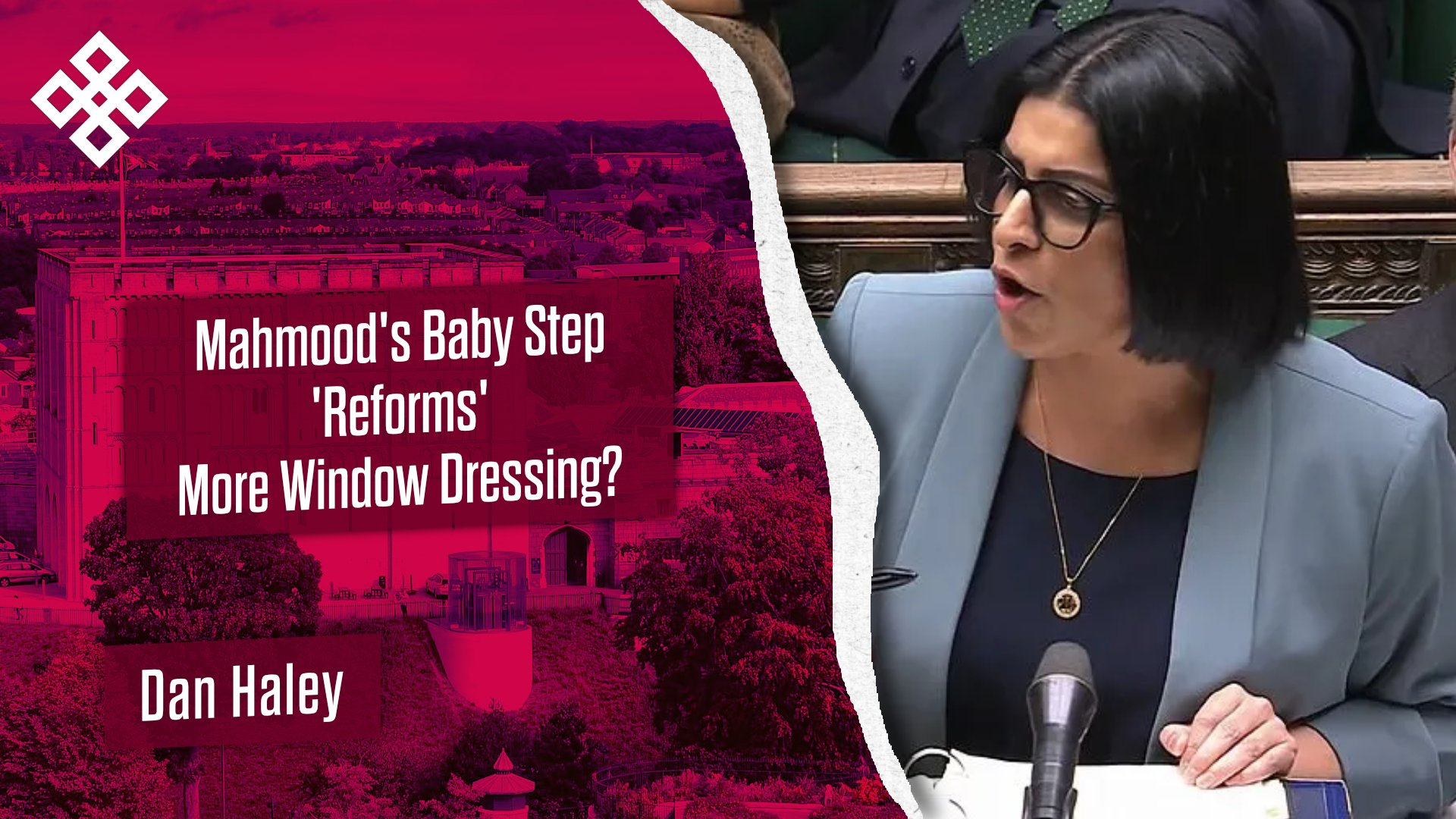
Shabana Mahmood's Baby Step 'Reforms': More Window Dressing?
Dan Gallivan-Haley |
@cymroofbarri89
The Home Secretary unveiled plans to reform the British asylum system and tackle illegal migration. Mahmood described it as the “most significant reform to our migration system in modern times.” Some 400,000 according to her numbers have sought asylum here in the last four years alone, 25% have been put up in accommodation while many still remain on “benefits 8 years after they have arrived.”
She laid out her goal to fix the system which she called “out of control” and “unfair” to the British public who are ultimately left with the bill, admitting that many are not genuine refugees at all and instead are economic migrants seeking to “use, and abuse the asylum system.”
Shabana Mahmood has modelled her reforms on Denmark's own asylum policy which will now make refugee status temporary in this country and subject to 30 month reviews, allowing them to be returned if their country is deemed safe. Refugees can still apply for indefinite leave to remain (IDR) but only after 20 years of residency and not the current five. She is also laying out a so-called “work and study” visa path to encourage them to seek employment. Those on this new scheme will still be able to sponsor relatives to join them in the UK.
The Home Secretary is also proposing changes to the existing ECHR legislation, particularly Article 3, which bans inhuman or degrading treatment, and narrowing the net around Article 8: the right to a family life, which she admits the courts have “adopted an ever-expanding interpretation of”.
This has meant that many have flooded into the country when they had no right to, allowing certain returns to be blocked on ridiculous grounds, including violent criminals who may cite “health” reasons. Mahmood cited the case of where a convicted arsonist's deportation was blocked because the relationship with his brother “may suffer”. Those that have already been detained are throwing road blocks to postpone their removal by raising last-minute claims and appeals, frustrating the process further.
She also set out a “single appeal” system to replace the current mess, and more emphasis will be placed on the public interest in deporting foreign criminals and those who come in illegally. Despite the ECHR clearly being identified as a barrier, the Home Secretary has completely ruled out leaving it.
The legal duty to provide asylum seekers with housing and financial support will also be repealed, though support would still be available for those who are destitute, subject to good behaviour. Echoing the Danish model, asylum seekers with assets will also be required to contribute to the costs of their stay. Entire families whose asylum claims have been refused continue to still receive housing and monetary support under the current system, which the government is looking to scrap.
They plan to also finally end the use of hotels to house asylum seekers, which won't come into effect until at least 2029. However, they will still offer new “safe and legal routes” into Britain. Rather than dinghies, migrants will be given more “appropriate legal channels” to come into the UK in large numbers, with the small caveat of an annual cap based on local capacity. The Government has not yet made an announcement on how large or small that cap will be.
This is set against the grim backdrop of over 36,000 migrants crossing the English Channel on small boats since the start of this year alone, many of whom have been put up in hotels across the country. Headlines have been dominated lately by horrific crimes committed at the hands of migrants. The Home Secretary ended her speech by saying we are still an “open, tolerant and generous” country. Yet it is precisely this attitude that has contributed to the migrant rapes and murders we are seeing on a daily basis. We really shouldn't have to put up with it anymore.